
Locally led programmes, internationally supported

Clinics, distributions and learning spaces, run by local teams on the ground.

  • 17humanitarian sectors
  • 27internationally supported projects2021–2025
  • 4earthquake response projects
    2025
  • 8out of 27 projects supporting the health sector

Programme highlights · approximate figures

Programme areas

17 humanitarian sectors, delivered on the ground by our colleagues in Myanmar

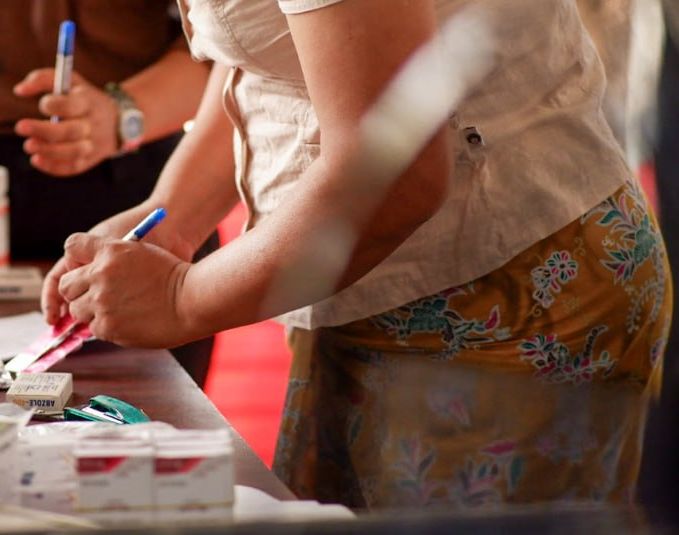
Hands sorting and labelling boxes of medicines on a table
Teams sort and label medicines for safe use in clinics (2023)

Health and wellbeing

4 sectors
  • Health

    Mobile clinics bring medicines and basic health checks to displaced communities, and expectant mothers receive clean delivery and newborn kits. Transport and hospital costs are paid for emergency referrals, including births and sick children under five.

  • Nutrition

    Health workers screen young children for malnutrition with arm-circumference (MUAC) checks and refer those who need treatment. Children and pregnant women receive vitamins, nutritional supplements and deworming.

  • Mental health and psychosocial support (MHPSS)

    Field staff and trained community focal points offer psychosocial support and family counselling to people under severe stress, and refer those who need specialist care.

  • Psychological first aid (PFA)

    Psychological first aid offers humane, supportive and practical assistance to people experiencing distress after a crisis.
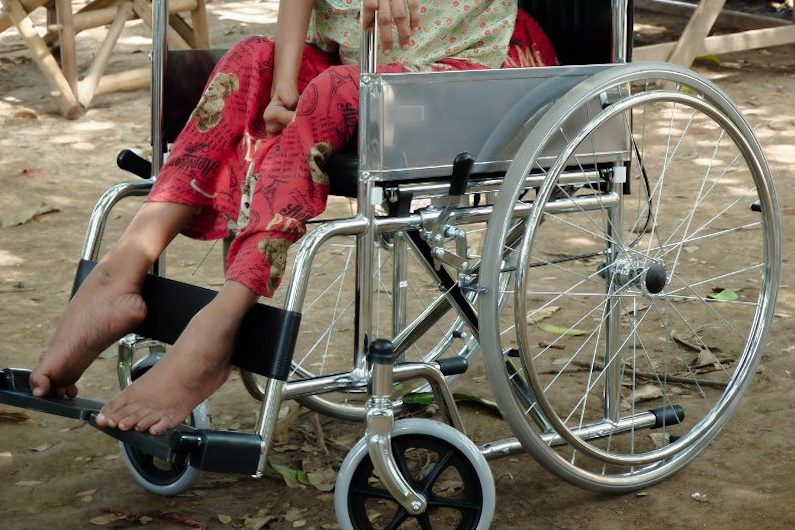
A person seated in a wheelchair, face out of frame
Disability inclusion support for a wheelchair user (2025)

Protection

5 sectors
  • Child protection

    Child-friendly space sessions, parenting sessions and child protection training reach children and community members. Caseworkers follow up children at risk and refer them to services.

  • GBV prevention and response

    Dignity kits go to women and adolescent girls, alongside community awareness sessions. Caseworkers provide confidential case management for survivors of gender-based violence and cover the cost of referrals to care.

  • Explosive ordnance risk education (EORE) and survivor support

    Risk education sessions and leaflets teach families to recognise explosive ordnance and avoid contaminated areas, often alongside cash distributions. Survivors receive cash support, funding for prosthetic limbs and hospital referral costs.

  • Inclusion of persons with disabilities (PWD)

    Wheelchairs, hearing aids, orthotics, special shoes and other assistive devices are provided, and referral costs paid so persons with disabilities can reach treatment. Teams also work to remove barriers to assistance and community life.

  • Accountability to affected populations (AAP)

    Accountability training for staff and community volunteers comes with clear information about assistance, and feedback and complaints are collected through suggestion boxes and printed leaflets.

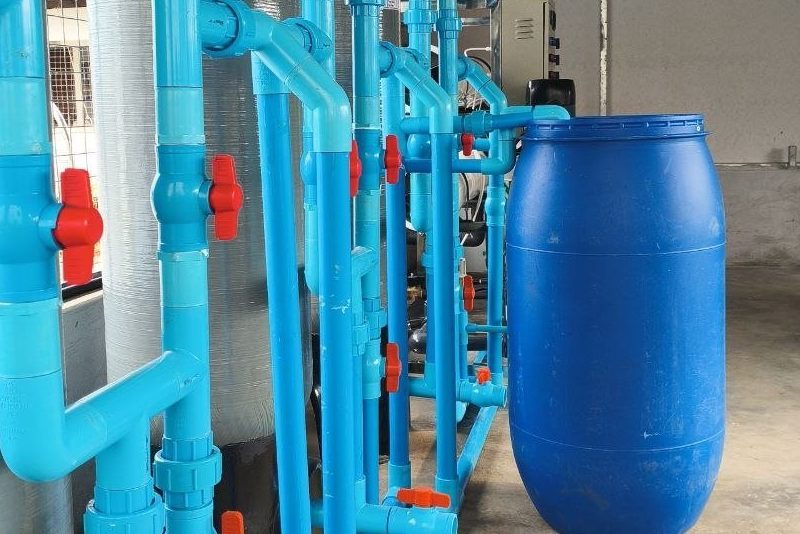
Blue water treatment pipework with red valves beside a large blue storage barrel
Water treatment equipment with blue pipework and a storage barrel

Basic needs

5 sectors
  • WASH

    Safe drinking water is trucked in, water treatment units installed, semi-permanent latrines built, and hygiene kits and bins distributed. Hygiene promotion sessions show families how to stay healthy after displacement.

  • Shelter, land and site coordination (SLSC)

    Shelters are rebuilt and repaired, families receive cash to repair their homes, and blankets, mats and household items are distributed. After the 2025 earthquake, families whose homes were destroyed were rehoused.

  • Food security, livelihoods and multi-purpose cash assistance (MPCA)

    Registered households receive rice and other food, cash for food and multi-purpose cash, so families can buy what they need most. Livelihood cash grants help families restart work.

  • Emergency response

    When floods, earthquakes or displacement hit, teams on the ground assess needs and deliver food, drinking water, hygiene kits, cash and emergency shelter. Recent responses include the 2025 earthquake and 2026 flooding in Ayeyarwady.

  • Education in emergencies

    Temporary learning spaces are built with latrines and locally made desks and benches, and students and teachers receive kits. Enrolment drives run alongside training for parent–teacher associations and volunteer teachers.

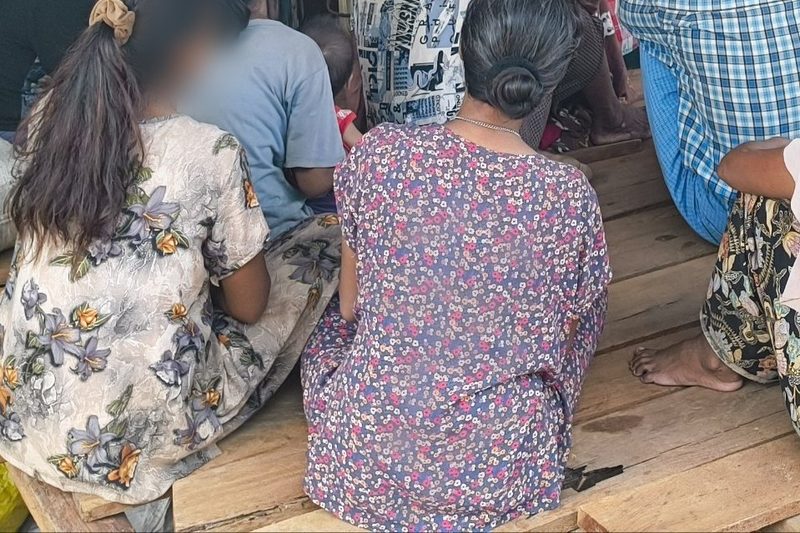
Parents and teachers seated together on a wooden floor, seen from behind
Members of a parent–teacher association meet for training (2026)

Resilience and capacity

3 sectors
  • Climate adaptation

    Waste collection with garbage trucks is run with local youth and community groups, alongside plastic-reduction and climate-and-health awareness sessions. Communities are helped to prepare for and recover from floods.

  • Community resilience

    Community groups are trained to lead their own response, then given small grants and equipment to carry out the work, such as resurfacing roads and building retaining walls after the 2025 earthquake.

  • Local capacity strengthening

    Capacity-bridging workshops for local civil society, community and faith-based groups, and placements for interns, cover project management, protection, safeguarding and financial management.

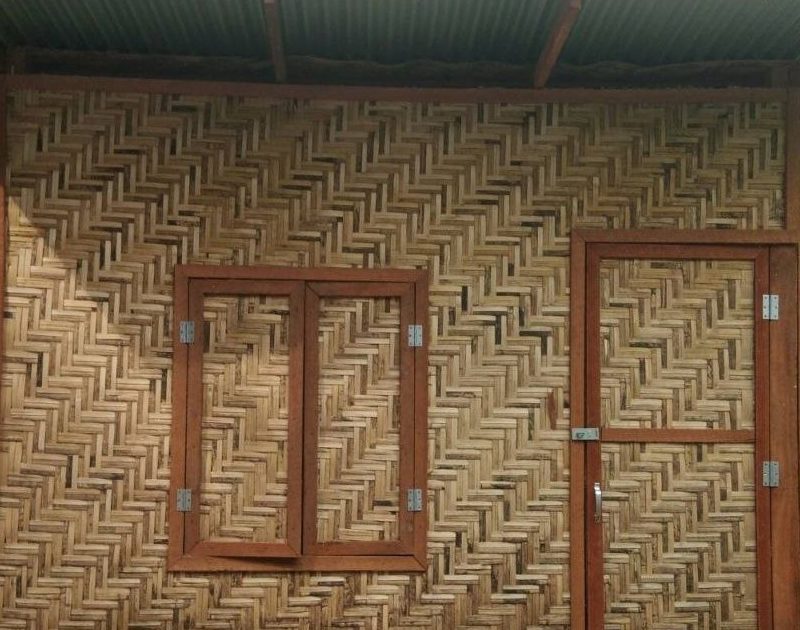
Woven bamboo shelter wall with a timber-framed window and door under a metal roof

Beyond these 17 sectors, we also support long-term programmes.

Development

Where families have returned home, community-led works such as road surfacing and retaining walls are backed, with investment in livelihoods. Many of these projects, from rebuilt shelters to new learning spaces, are built to last.

See our projects

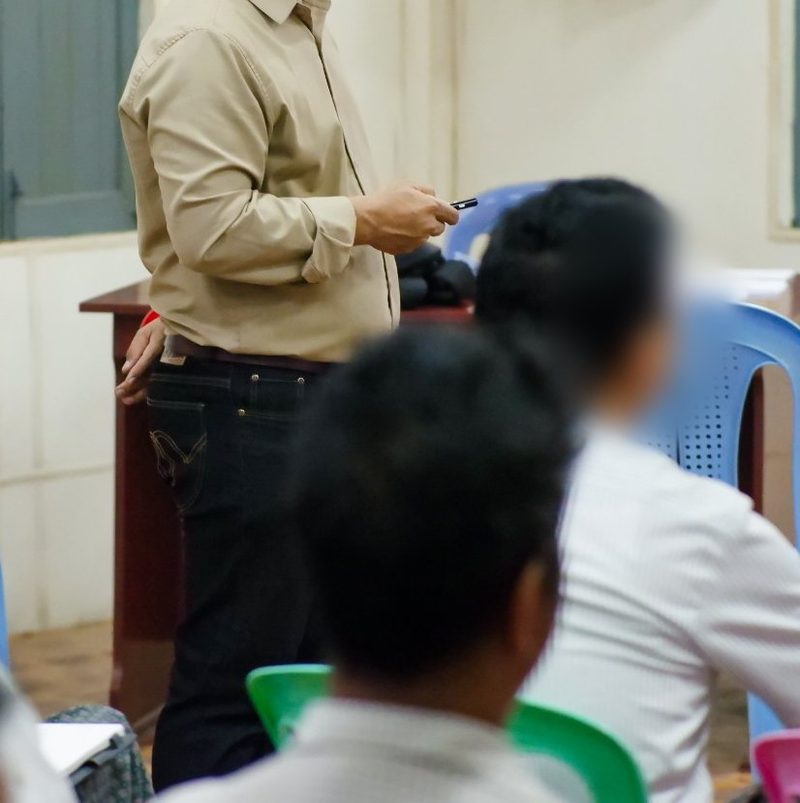
A trainer stands at the front of a room as participants listen, faces blurred

Accountability training

A trainer leads a session on listening and responding to communities

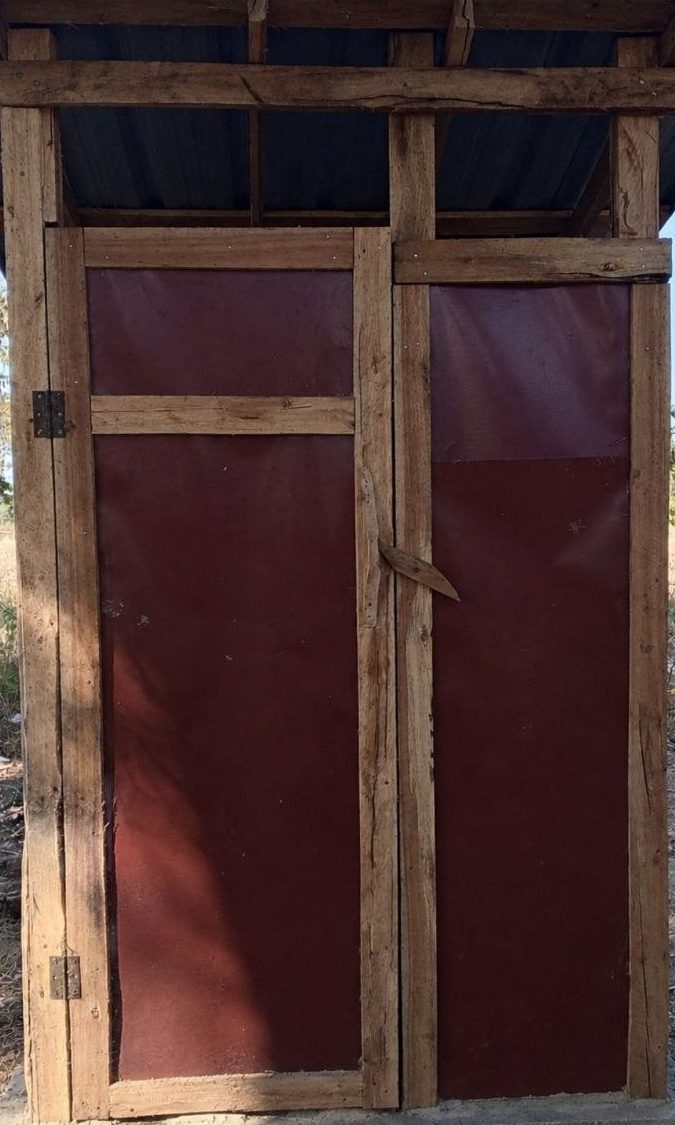
A finished latrine with a wooden frame, red wall panels and a metal roof

Sanitation

A finished latrine with a wooden frame and metal roof

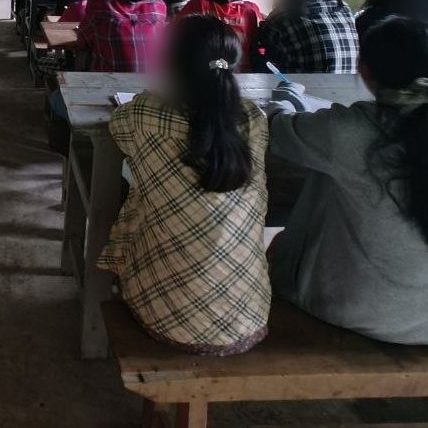
Young people seated at wooden desks in a classroom, seen from behind

Explosive ordnance risk education

Young people learn to recognise explosive ordnance in a classroom session

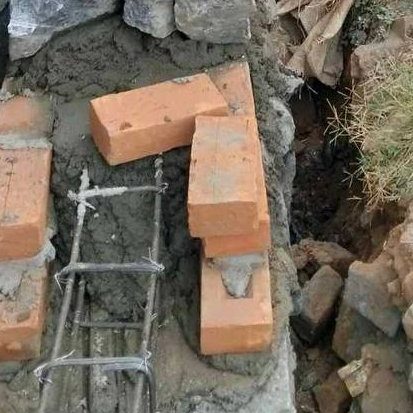
Bricks, stones and steel reinforcement set in mortar

Community infrastructure

Bricks, stone and steel reinforcement laid in mortar

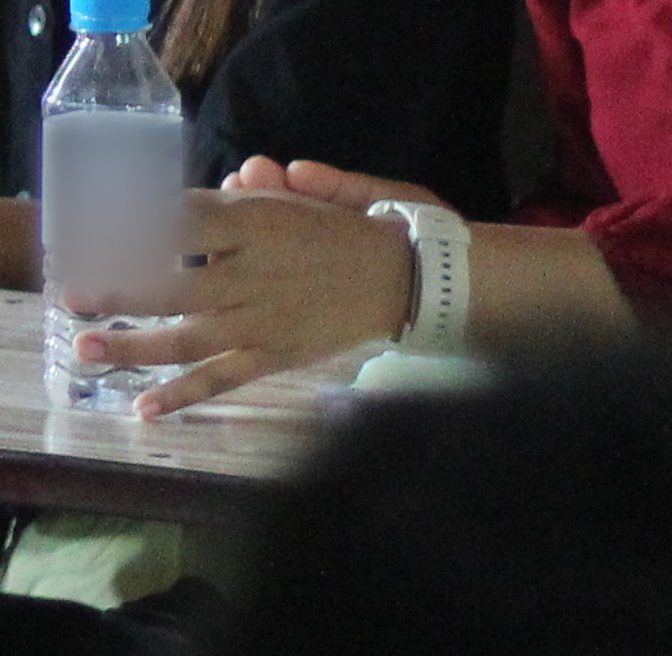
Hands resting on a table beside a water bottle during a group discussion

Livelihoods

Participants gather around a table for a group discussion

What we do

Funding
Writing proposals and supporting grant reporting and compliance.
Partnerships
Agencies, foundations, universities.
Technical expertise
Finance, compliance and M&E, plus experienced international specialists, such as in protection, to work alongside partner teams and train staff.
Refugee support
Support for refugee programmes in neighbouring countries.

Results

Between 2021 and 2025, 27 internationally supported projects were delivered. Most were delivered in consortia with international partners.

Projects by start year

2021–2025 · approximate figures

  1. 2021Projects started in 2021A bar beginning at zero and ending at 1, on a scale from zero to nine projects.1
  2. 2022Projects started in 2022A bar beginning at zero and ending at 3, on a scale from zero to nine projects.3
  3. 2023Projects started in 2023A bar beginning at zero and ending at 9, on a scale from zero to nine projects.9
  4. 2024Projects started in 2024A bar beginning at zero and ending at 6, on a scale from zero to nine projects.6
  5. 2025Projects started in 2025A bar beginning at zero and ending at 8, on a scale from zero to nine projects.8
Approximate projects by start year
Start yearProjects
20211
20223
20239
20246
20258

Funder mix

27 projects · approximate figures

Projects by funder type A single proportion bar: approximately 14 projects funded through global agencies and multilateral donors, and 13 through INGOs, foundations and appeals. About half were funded through global agencies and multilateral donors.
  • Global agencies and multilateral donors14
  • INGOs, foundations and appeals13

About half were funded through global agencies and multilateral donors.

Funder mix
Funder mixProjects
Global agencies and multilateral donors14
INGOs, foundations and appeals13

Programme highlights · approximate figures

Health

8out of 27 projects supporting the health sector

Health projectsApproximately 8 of 27 projects were health projects. Eight filled squares indicate health; nineteen outlined squares indicate other programme areas. Each square represents one project.
Approximate health share of projects, 2021–2025
Programme groupProjects
Health8
All programmes27

Health · Each square is one project

The largest area of work: COVID-19 treatment centres, immunisation, mobile clinics and emergency referrals.

Emergency and earthquake response

4earthquake response projects
2025

Alongside emergency water, food, cash and shelter for displaced families.

Protection and education

Child protection, GBV case management, explosive ordnance risk education and survivor support, and learning spaces, with active participation in national protection and education coordination groups.

Partner with us

How we report: We publish rounded, region-level figures only, to protect communities and colleagues. Detailed, verified results are shared with vetted funders.

Request a funder briefing
  • Between 2021 and 2025, 27 internationally supported projects were delivered.
  • Most were delivered in consortia with international partners.